Key Takeaway
- For the ways foundations actually fail, which is soil moving under the house, homeowners insurance almost never pays. Settling, heaving, expansive clay, erosion, tree roots, and bad construction are all excluded from a standard policy.
- The covered perils (fire, windstorm, falling trees, a vehicle hitting the house) rarely damage foundations, which is exactly why they stayed covered.
- The one realistic door: sudden water from your own plumbing. A burst supply line that washes out soil under a footing may be covered, and speed of discovery and documentation decides the claim.
- The NFIP flood policy carries its own earth movement exclusion, so floodwater that undermines the foundation can be denied on the very policy sold to cover floods.
- Repairs run $2,188 to $7,884 on average and can reach $100,000, per Angi. The highest-return move is a few hundred dollars of water management: gutters, downspout extensions, and grading.
Every insurer's page says "it depends on the cause." True, and useless: the causes that actually crack foundations are all excluded, and the covered ones almost never touch a foundation. One door stays open.
The pages ranking for this question, most of them written by insurance companies, all deliver the same carefully cheerful sentence: foundation repair is covered if a covered peril caused the damage. Read it fast and it sounds like a yes. So here is the practical answer to "does homeowners insurance cover foundation repair," reordered with the emphasis where it belongs: for the ways foundations actually fail, which is soil moving under the house, the answer is almost never. Settling, sinking, heaving, expansive clay swelling through a wet spring and shrinking through a drought, erosion from bad drainage, tree roots, and sloppy construction are all excluded from a standard policy. The perils that are covered, tornadoes, fires, and runaway trucks, have one thing in common: they hardly ever damage foundations. Even a contractor whose business is foundation repair concedes on its own site that one of the most common causes of the damage, the seasonal compression and expansion of the ground, is rarely covered.
There is one realistic door left open, and a couple of freak-event ones. Knowing where they are is worth more than any coverage checklist on page one.
| Cause of foundation damage | Standard policy coverage |
|---|---|
| Settling, sinking, heaving, expansive clay | Excluded (earth movement) |
| Erosion, poor drainage, tree roots | Excluded |
| Poor construction, wear, deferred maintenance | Excluded |
| Earthquake, sinkhole, landslide | Excluded (separate policy or endorsement required) |
| Fire, windstorm, falling tree, vehicle impact | Covered, up to the dwelling limit |
| Burst pipe washing out soil under a footing | May be covered if sudden and documented |
| Flood undermining the foundation | Often denied even under an NFIP flood policy |
The earth movement exclusion is built to catch everything
The mechanism is a few lines of policy text with an enormous reach. The standard ISO homeowners form, the template most policies descend from, excludes damage from landslide, mudslide, subsidence, sinkholes, and, in the phrase doing the heavy lifting, "any other earth movement." Texas researchers who study the form language note the state's own homeowners form is just as blunt, refusing loss caused by settling and cracking outright. Whatever the soil under your slab decides to do, gradually or suddenly, wet year or dry, the drafters got there first.
The insurers say so themselves when the marketing pressure is off. American Family's guidance on erosion states plainly that most homeowners policies do not cover earth movement events, then lists the everyday versions: sinking ground from erosion or poorly compacted fill, heaving soil from frost or saturated clay pushing the slab up or the basement walls in. The Insurance Information Institute, the industry's own explainer shop, confirms the exclusion sweeps in landslides and earthquakes alike. Stack the earth movement exclusion on top of the separate exclusions for wear, deterioration, poor maintenance, and faulty construction, and the everyday causes of foundation failure are boxed out from every direction. A cracked foundation is not an insured event; it is a homeownership event.
The short list that is covered, and the one door that matters
Coverage turns on what adjusters call proximate cause: the underlying event that set the loss in motion. Bankrate's explainer uses the right example: a tree that wind drops on your house is likely covered, because windstorm is a covered peril, while the same tree felled by termite rot likely is not, because termites are excluded. Apply that logic to foundations and the covered list writes itself. Fire, lightning, windstorm, a falling tree, a vehicle driving into the house: sudden, external, accidental events. If one of those cracks your foundation, dwelling coverage applies up to your policy limit. These claims are real and rare, because tornadoes take roofs, not footings.
The door that actually matters is water from your own plumbing. A burst supply line or a failed water heater is exactly the kind of sudden, accidental event standard policies are built to cover, and when that water washes out the soil under a footing, the resulting foundation damage may be covered; the contractor on page one says as much about burst-pipe erosion. The word may is load-bearing: the insurer will separate the sudden event from any long-term seepage, which is excluded, so the difference between a paid claim and a denial is often how fast the leak was found and how well it was documented. A pipe that failed Tuesday is a claim. A pipe that wept for two years is maintenance.
One more nuance runs in the homeowner's favor: ensuing loss. If an excluded event triggers a covered one, the covered portion can still pay. The classic example, per public adjusters who work these files, is an earthquake that starts a fire: the shaking is excluded, the fire damage is not. It will not rescue a cracked slab, but it matters after big events when causes tangle.
The flood policy has the same trapdoor
Here is the part no result on page one mentions. The standard advice, which is correct as far as it goes, is that flood and earthquake are excluded from homeowners policies, so buy separate coverage: an NFIP flood policy, an earthquake policy, a sinkhole endorsement in sinkhole country. What the advice omits is that the NFIP flood policy contains an earth movement exclusion of its own. Attorneys who litigate these claims warn that when floodwater undermines or washes out the soil supporting a foundation, causing the structure to shift, sink, or crack, the exclusion can mean a denied claim on the very policy sold to cover floods. Water through the living room is a clean claim; water under the footings is a fight.
That is not a reason to skip flood insurance, which pays reliably for the far more common interior losses; we worked through when that coverage earns its premium in should I drop flood insurance in Florida. It is a reason to hold no illusions about the foundation specifically: across the standard policy, the flood policy, and everything short of a specialized difference-in-conditions policy, the ground under your house is close to uninsurable at ordinary prices. Insurers did not exclude earth movement out of spite. They excluded it because soil moves everywhere, constantly, which makes it a certainty, and insurance is priced for accidents.
Spend the premium on gutters instead
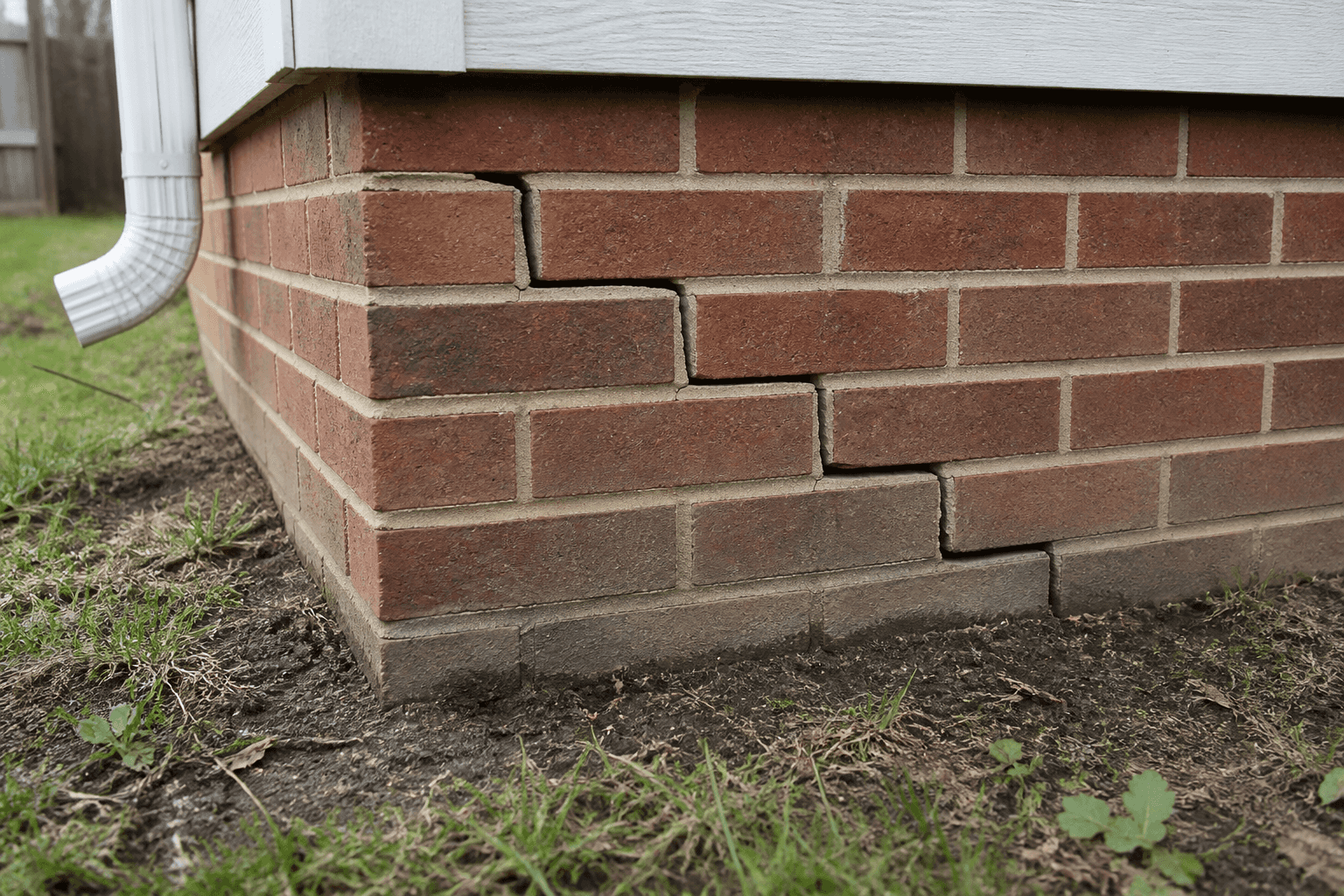
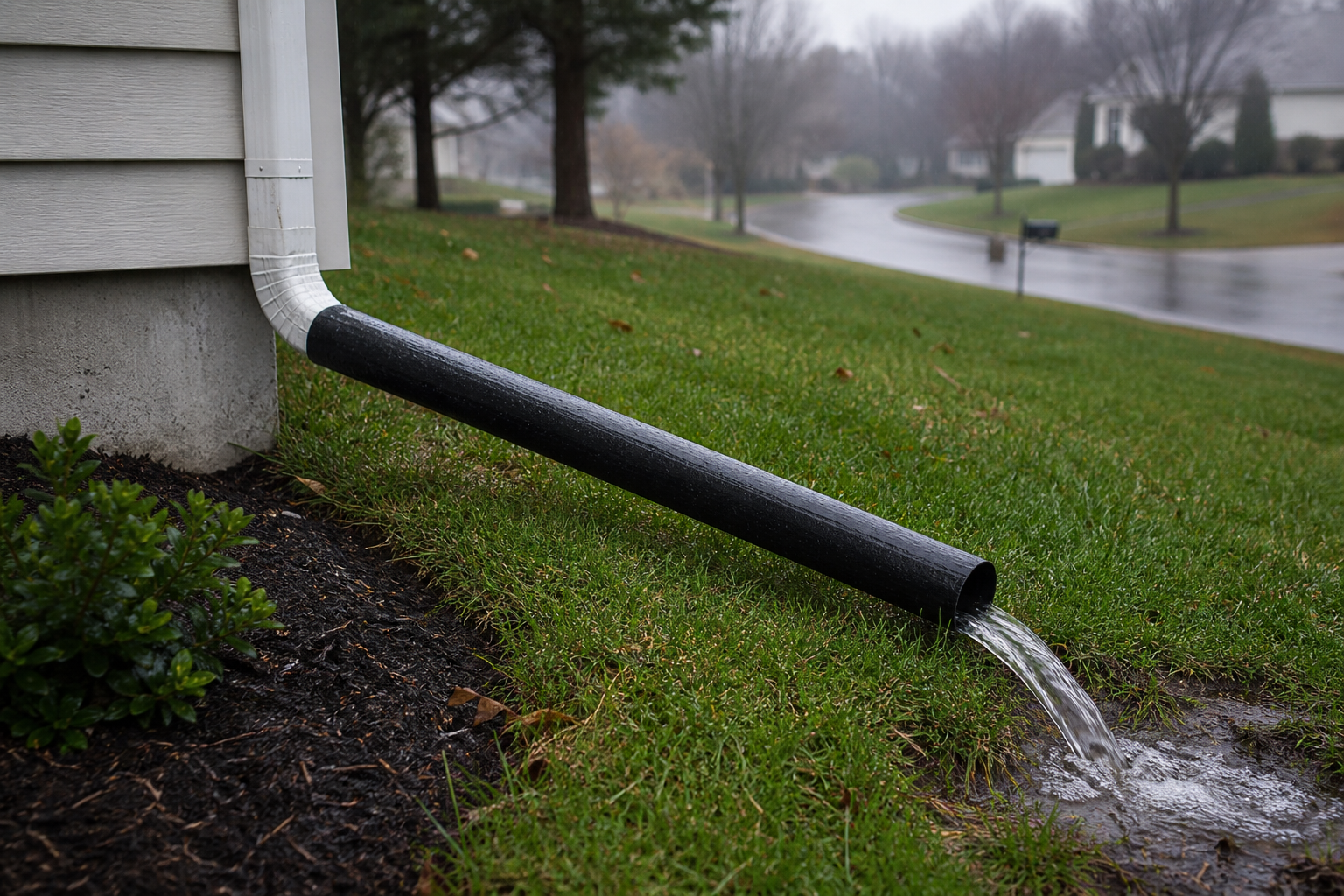
Once the foundation is understood as self-insured, the budget logic follows. Repairs run $2,188 to $7,884 on average and can reach $100,000 in severe cases, per Angi's repair data. Against numbers like that, the highest-return insurance available is a few hundred dollars of water management: gutters and downspout extensions that dump roof water well away from the house, grading that slopes soil away from the walls, and a dry basement, the same measures the insurers themselves recommend, since most of the excluded failure modes start with water reaching the soil at the perimeter. With premiums already climbing for the reasons we covered in why homeowners insurance is so expensive, the downspouts are the rare line item that actually reduces risk instead of just transferring it. Watch for the early signs the carriers list: stair-step cracks in brick, doors and windows that stick, floors going subtly unlevel. Catching movement early is the difference between the bottom of that repair range and the top.
And if a sudden event does hit, work the narrow door properly: shut the water off, photograph everything with timestamps, keep the failed part, and report the claim immediately, because speed is your evidence that the loss was sudden. The house is sitting on the one part of itself the policy walked away from. Treat the downspouts like the deductible, and with a little luck the adjuster never gets a vote.
Frequently asked questions
Does homeowners insurance cover foundation repair?
Almost never for the common causes. Settling, sinking, heaving, expansive clay, erosion, tree roots, and poor construction are all excluded under the standard policy's earth movement and maintenance exclusions. Coverage applies only when a covered peril, such as fire, windstorm, a falling tree, a vehicle impact, or a sudden burst pipe, is the proximate cause of the damage.
Does homeowners insurance cover foundation cracks from settling?
No. The standard ISO homeowners form excludes landslide, mudslide, subsidence, sinkholes, and "any other earth movement," and separate exclusions bar wear, deterioration, and faulty construction. Texas's state form refuses loss caused by settling and cracking outright. Gradual soil movement under the house is treated as a certainty of homeownership, not an insurable accident.
When does insurance actually pay for foundation damage?
When a sudden, accidental, covered event causes it. The realistic scenario is water from your own plumbing: a burst supply line or failed water heater that washes out soil under a footing may be covered. The insurer will separate the sudden event from excluded long-term seepage, so shut the water off, photograph everything with timestamps, keep the failed part, and file immediately. Fire, windstorm, falling trees, and vehicle impacts are also covered but rarely reach a foundation.
Does flood insurance cover foundation damage?
Often not. The NFIP flood policy carries its own earth movement exclusion, and attorneys who litigate these claims warn that floodwater undermining or washing out the soil supporting a foundation can produce a denied claim even on a flood policy. Interior flood losses pay reliably; damage to the ground under the footings is a fight.
How much does foundation repair cost?
Angi's repair data puts the average range at $2,188 to $7,884, with severe cases reaching $100,000. Because the damage is effectively self-insured, the best money goes to prevention: downspout extensions, grading that slopes away from the walls, and early attention to stair-step cracks, sticking doors, and unlevel floors.