Key Takeaway
- Meal prepping saves roughly $27 to $53 a week, about $1,400 to $2,700 a year, and it all comes from replacing bought meals, not from your grocery line.
- The formula is one line: the price of the bought meal, minus about $4.50 for the home version, times the meals you actually convert. Pull the bought-meal price off your own card statement.
- Your ceiling is your own takeout budget. The BLS puts the average household's food-away-from-home spending at $3,945 a year, or $76 a week, and you cannot save more than you were spending.
- Prepping meals you would have cooked anyway only shuffles money inside the grocery budget. It trims a little through bulk buying and less waste, but the headline savings live in takeout.
- The savings leak when prepped food gets thrown out. Aim prep at weekday lunch, vary the menu, and a 2.5-hour Sunday session pays $11 to $21 an hour, untaxed.
Page one says $5 home meals beat $15 takeout, sourced to nobody. Federal data says the average household has exactly $76 a week available to save, and a lot of meal prep never touches it.
Nobody on page one can tell you how much money meal prepping saves, because nobody on page one names their inputs. The going claim is that a home-cooked meal costs $5 and a bought one costs $15, so prepping saves $10 a plate. The $5 traces to food bloggers' own kitchens, the $15 traces to nowhere in particular, and several of the loudest sources are companies that sell prepared meals, which is a strange pulpit for a sermon about cooking.
The federal numbers make the question answerable. Run five bought lunches a week through the actual arithmetic and meal prepping saves roughly $27 to $53 a week, or $1,400 to $2,700 a year, depending on what those lunches were costing you. The catch is where those dollars live. They come from one budget line only, and it's not the grocery line.
The math, with every input named
| Scenario | Weekly savings | Annual savings |
|---|---|---|
| Replace five $10 bought lunches with prepped meals | $27.50 | About $1,430 |
| Replace five $15 bought lunches (page one's favorite input) | $52.50 | About $2,730 |
| Hard cap: the average household's entire eating-out budget | $76 | $3,945 |
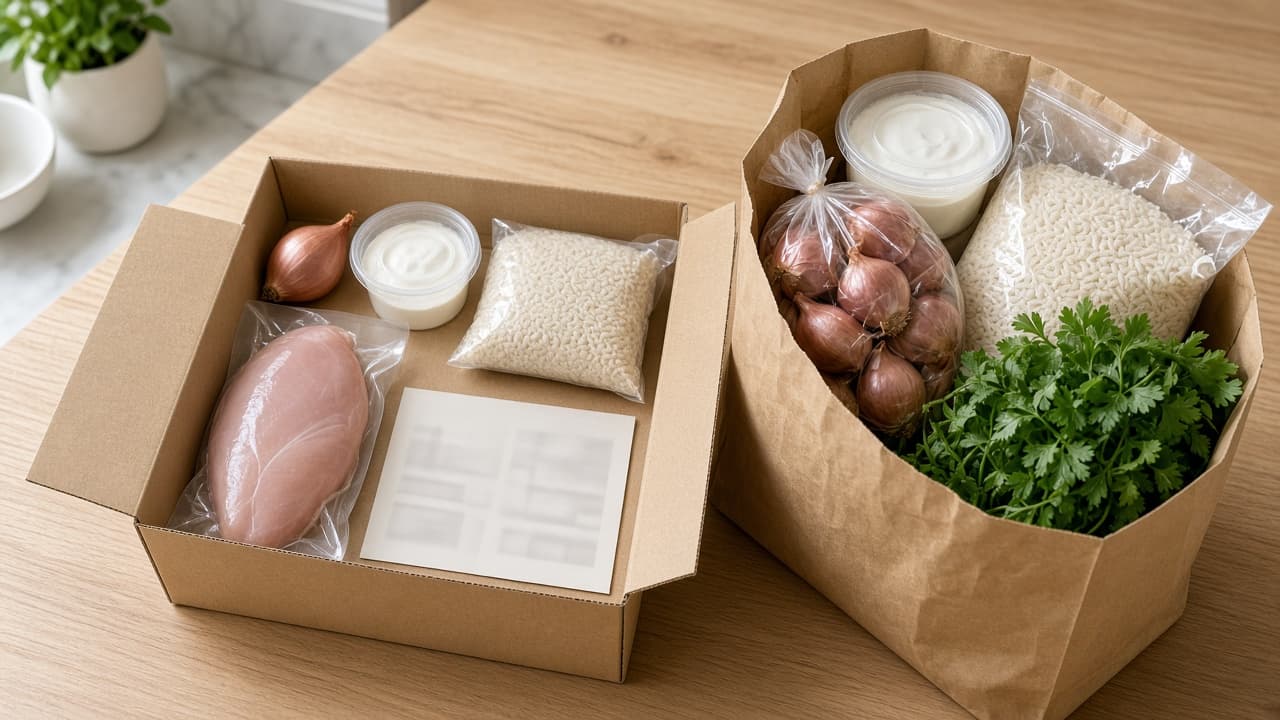
The formula is one line: savings equal the price of the bought meal, minus the cost of the meal that replaces it, times the meals you actually convert. The replacement cost is the well-documented part. USDA's monthly Cost of Food reports, which price a fully home-cooked diet for every age group, put a single adult's food at roughly $68 to $112 a week depending on plan tier and calorie needs, which works out to $3.25 to $5.35 per meal with snacks included. Our own plan for meal prepping a week of food for $100 lands at $4.76 a meal, square in the middle of the government's band. Call the replacement cost $4.50 and the scenarios above fall out of the subtraction. What the internet argues about is the other input, the bought-meal price, and that one you can pull off your own card statement instead of a blog.
Households scale the floor down, not up. USDA's reference family of four eats fully at home for about $229 a week on the Thrifty plan and $311 on Moderate, which across 84 weekly plates is $2.73 to $3.70 a meal, so a family converting even a few bought meals is working with a wider spread than any single adult gets.
The only money meal prep can touch
Here's the frame page one is missing. The Bureau of Labor Statistics splits household food spending into two lines: the average household spent $6,224 on food at home in 2024 and $3,945 on food away from home, meaning restaurants, delivery, and takeout. Meal prep's headline savings can only come from the second line. Prepping Sunday dinners you were going to cook anyway shuffles money around inside the $6,224; it trims a little through bulk buying and less waste, and it's still worth doing, but it is not where the headline savings live. The $1,400 to $2,700 lives entirely inside the $3,945, which also sets your ceiling: nobody saves more on takeout than they were spending on takeout. That's $76 a week for the average household, more for the DoorDash faithful, less for people who already cook.
That second line is also the one running away. Nationally, Americans now put about 59 cents of every food dollar toward eating out, per USDA's 2024 food expenditure data, and per the same agency's Food Expenditure Series, away-from-home spending has grown about 7 percent a year since 2010 against 4 percent for groceries. Every year that gap compounds, the spread between the bought lunch and the prepped one widens, and the same Sunday afternoon buys back a little more money.
Where the $5-versus-$15 numbers come from
Page one's $15 meal is an assumption that became a fact through repetition. A syndicated budget piece uses $15 per takeout meal against $71 of weekly groceries. A meal-prep blog uses $15 as its baseline. Neither cites a source, and neither really needs to, because your own number is knowable: it's your delivery app history. What deserves more suspicion is who's doing the telling. Multiple page-one results are meal-prep delivery companies, businesses that answer whether meal prepping saves money with an enthusiastic yes and then offer to sell you the meals. One of them argues that your time is worth $35 an hour, so cooking is a false economy and you should outsource the prep, to them. When the companies selling the alternative to cooking still concede that cooking wins on cost, believe them about the direction and audit everything else. And since the time argument always arrives next: the syndicated coverage's own estimate is a two-to-three-hour Sunday session, so call it two and a half hours and the five-lunch scenarios pay $11 to $21 an hour, untaxed, for cooking in your own kitchen. Not many side hustles clear that.
How the savings leak out
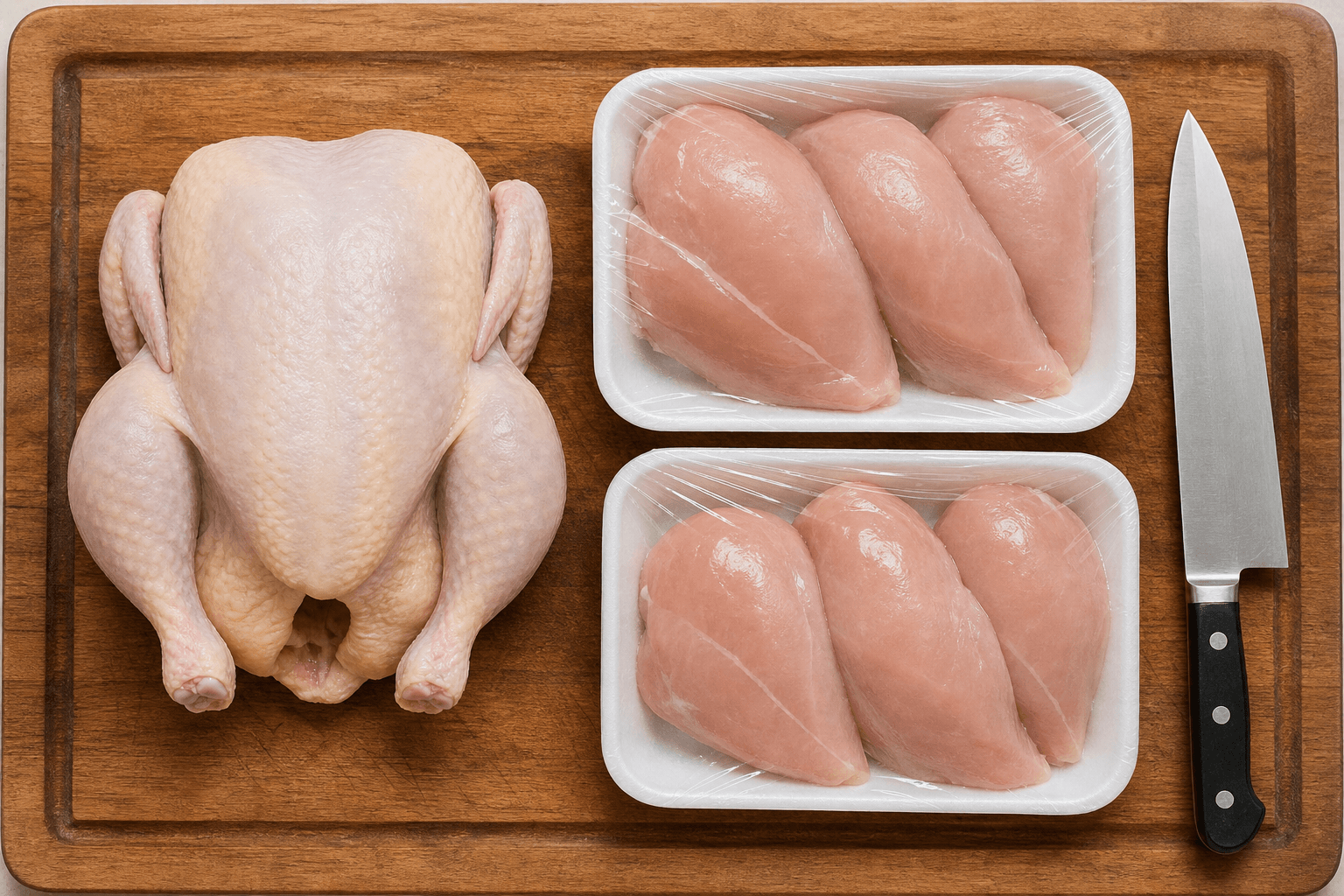
The formula assumes converted meals stay converted, and real kitchens leak. Prepped food that gets thrown out is negative savings: you paid for groceries and the takeout. The syndicated coverage is at least honest about the main cause, which is boredom; five identical chicken-and-rice boxes is a plan the first week and a dare by the third. The fix is aiming prep at the meals that were actually costing money. Weekday lunch is the classic target, because it's the meal most often bought, most repetitive by nature, and eaten somewhere the register does the arguing for you. Batch-cooking machinery helps the odds too; it's half the reason we made the case for the slow cooker being underrated, and buying proteins whole instead of in parts, which we priced in is it cheaper to buy a whole chicken, widens the per-meal spread from the grocery side.
There's also a savings tier below the headline number. Even if you never bought lunch out in your life, prepping still trims the at-home line through bulk pricing and fewer abandoned vegetables, which is real money, just smaller and slower. The honest ranking: converting bought meals saves dollars per plate, cooking smarter saves cents per plate, and both beat the version of meal prep where the containers go in the fridge on Sunday and the trash on Friday.
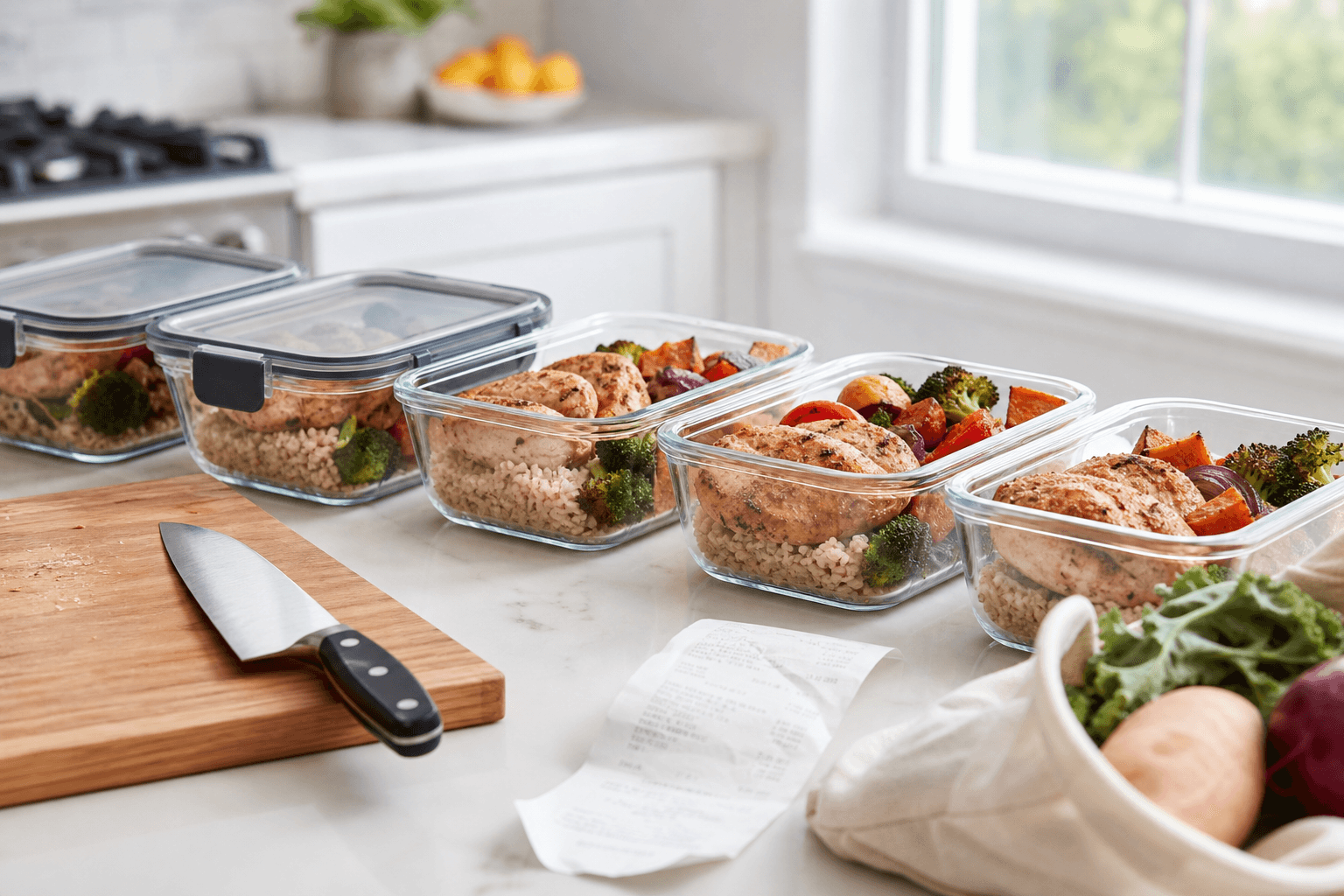
Run your own version of the table. Count last month's bought meals off the card statement, multiply by what they cost minus five bucks a plate, and that's your number, capped by your own takeout line. If the number is worth a Sunday afternoon, the how is already written: our $100 week of meal prep is the execution side of this math. The blogs promised meal prep would make you a millionaire. The federal data promises something better: about $2,000 a year, from the one budget line you were never going to miss.