Key Takeaway
$100 buys one person a full week of groceries ($72-85 for the core list with $15-28 left for snacks and extras). A 90-minute Sunday cook session produces 12-15 meals using one oven, one stove, a sheet pan, and a skillet. Swapping five restaurant lunches per week with prepped meals saves $1,820-2,600 per year. Chicken thighs, rice, roasted vegetables, and taco meat are the backbone because they reheat well through Friday.
The BLS Consumer Expenditure Survey puts average household grocery spending at $519 per month. Per person, separate estimates from Move.org and Instacart land around $363 to $370 per month. But that's just groceries. The USDA reports that Americans now spend 55% of their total food dollars eating out, which means the restaurant and takeout tab is even larger than the grocery bill. Add in food waste (the EPA estimates $728 per person per year in food that gets bought and thrown away), and a huge chunk of your food budget is going to meals you didn't need to buy and food you never ate.
Meal prepping for $100 a week doesn't mean eating sad chicken and rice out of a plastic container for five days. It means spending about 90 minutes on Sunday turning $100 worth of groceries into 15 to 20 meals that actually taste good on Thursday. Here's how to do it, what to buy, and which corners to cut without ruining your week.
The $100 math, broken down
A hundred dollars for a week of food works out to about $14.28 per day. At three meals a day, that's $4.76 per meal. For context, the USDA's "thrifty" food plan (the bare-minimum budget they use to calculate SNAP benefits) puts a single adult male at roughly $62 to $71 per week. The "low-cost" plan runs $80 to $93. So $100 per week falls right between low-cost and moderate, which means you have room for real food, not just beans and rice.
Grocery prices rose roughly 25% between 2020 and 2024. In 2025 and into 2026, the increases slowed to about 2% to 3% per year, but that's 2% to 3% on top of prices that already jumped a quarter. Your brain remembers what eggs used to cost. The good news: cooking at home is still dramatically cheaper than any alternative. A Chipotle burrito runs $10 to $12 depending on your order. A homemade burrito bowl with the same ingredients costs about $2.50.
Where you shop matters as much as what you buy. Aldi and Lidl are generally the cheapest mainstream grocery options in the areas they serve. Walmart's store brands are competitive. Ethnic grocery stores (Asian, Latin, Middle Eastern) are often the cheapest source for produce, rice, spices, and proteins like whole chickens and pork shoulder. Costco and Sam's Club work if you have the freezer space to store bulk protein, but buying a 10-pound bag of chicken thighs only saves money if you actually use all 10 pounds before they go bad.
The Sunday shopping list: what $100 actually buys
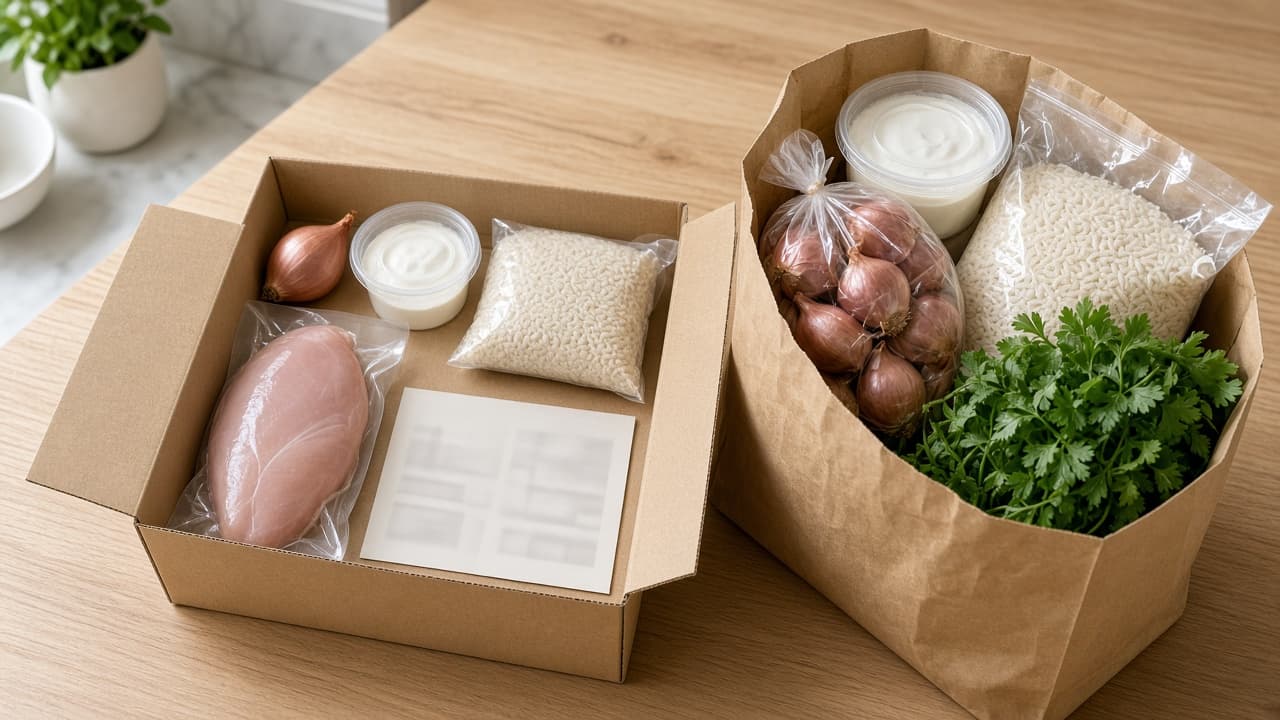
This is a realistic shopping list for one person for one week, with approximate prices based on Walmart and Aldi in spring 2026. Your store and region will vary, but the proportions hold.
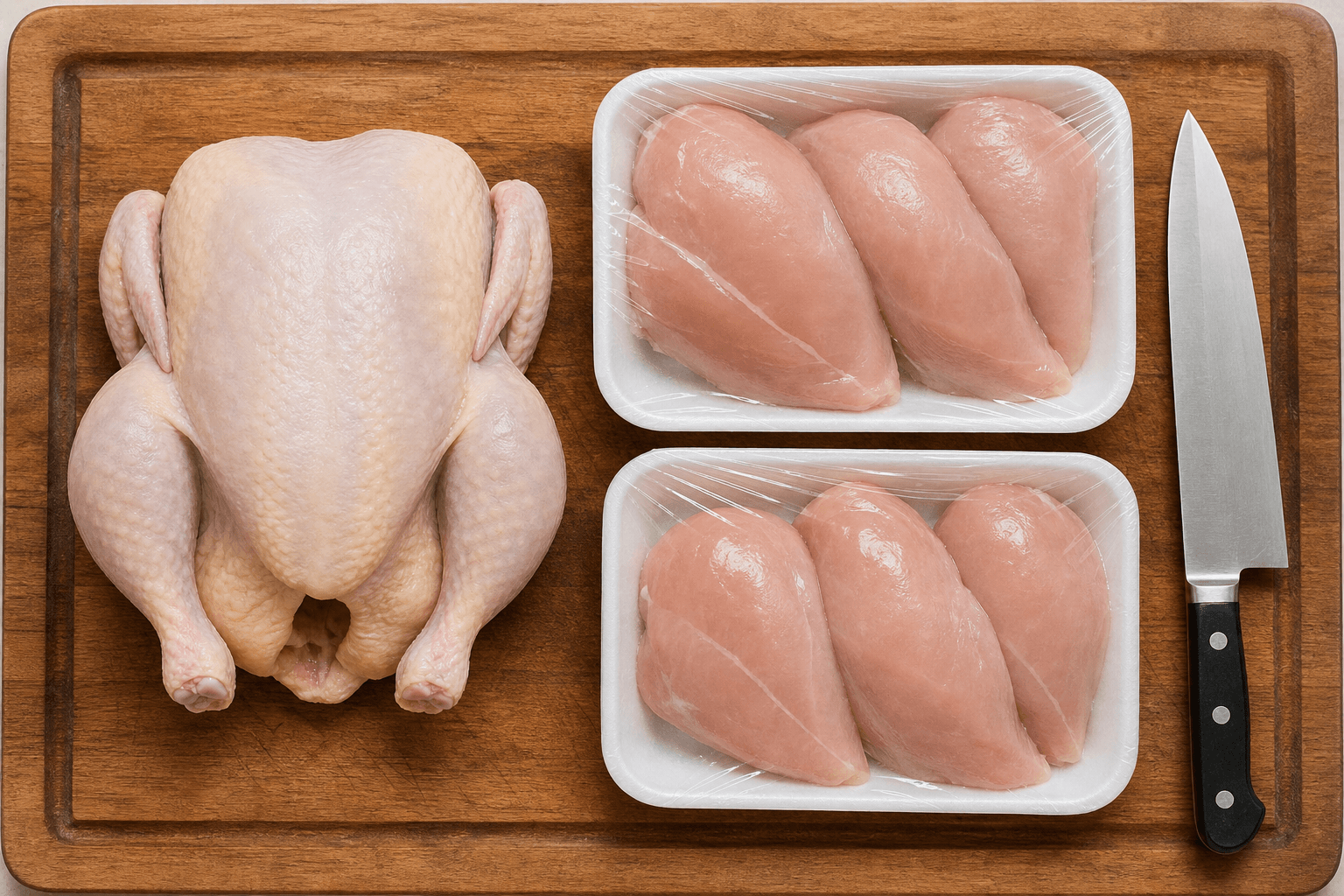
Protein (~$22 to $28): 3 to 4 pounds of boneless skinless chicken thighs ($6 to $8), 2 pounds of ground beef or turkey ($7 to $9), a dozen eggs ($3 to $4), one pound of dried black beans ($1.50), one can of chickpeas ($1), one block of firm tofu or a pound of Italian sausage ($3 to $4). Chicken thighs are the meal prepper's best friend because they don't dry out when reheated. Chicken breast is leaner but turns into shoe leather by Wednesday.
Produce (~$19 to $20): 5-pound bag of russet potatoes ($4), bag of onions ($3), bag of carrots ($2), head of broccoli ($2), bag of spinach ($2 to $3), bananas ($1), bag of apples ($4), one lemon ($0.50). Buy what's in season and on sale. Frozen vegetables (broccoli, green beans, stir-fry mixes) are just as nutritious as fresh and won't go bad by Friday.
Grains and starches (~$9 to $12): 5-pound bag of rice ($4 to $5), one pound of pasta ($1), loaf of bread ($2 to $3), tortillas ($2 to $3). Rice is one of the cheapest calories per dollar in the grocery store, and it goes with everything. A 5-pound bag makes roughly 25 servings at about $0.20 each.
Dairy and fridge (~$13 to $15): Gallon of milk ($3.50), block of cheddar cheese ($3 to $4), butter ($3 to $4), container of plain yogurt ($3).
Pantry and flavor (~$9 to $10): Can of diced tomatoes ($1), jar of salsa ($2.50), soy sauce ($2), olive oil ($3 to $4), garlic ($0.50). This assumes you already have salt, pepper, and basic spices. If you're starting from zero, add $10 to $15 for a one-time spice buy (cumin, chili powder, paprika, garlic powder, Italian seasoning) that lasts months.
Total: ~$72 to $85. The remaining $15 to $28 covers snacks, coffee, condiments, or whatever your specific diet needs. The point is that $100 buys more than enough food for one person for one week if you're cooking it yourself.
The 90-minute Sunday cook
This is the actual cooking session. Not a fantasy where you have seven burners and a sous chef. One oven, one stove, a sheet pan, a big pot, and a skillet.
First 15 minutes: Preheat the oven to 425°F. Season chicken thighs with olive oil, salt, pepper, garlic powder, and paprika. Put them on a sheet pan lined with foil (less cleanup). Dice onions and carrots for the week and set them aside in a bowl. Start a pot of rice on the stove. If you soaked your dried black beans overnight, get them simmering now (they'll need about an hour). If you didn't soak them, use the canned chickpeas or canned black beans instead. Nobody has time to cook unsoaked beans from scratch during a 90-minute prep session.
Minutes 15 to 45: Chicken goes in the oven for 25 to 30 minutes. While it bakes, brown the ground beef in a skillet with diced onions, drain the fat, add canned tomatoes and spices for a basic taco meat. Cook the pasta in the pot after the rice is done (same pot, less to wash). If you're using canned beans, drain and season them now. The soaked beans on the back burner are doing their own thing.
Minutes 45 to 75: Chicken comes out of the oven. While it rests, roast a sheet pan of broccoli and carrots (10 to 12 minutes at 425°F with olive oil and salt). Scramble four eggs for breakfast burritos. Shred half the chicken with two forks (shredded chicken reheats better than whole pieces). Slice the rest for salads and grain bowls.
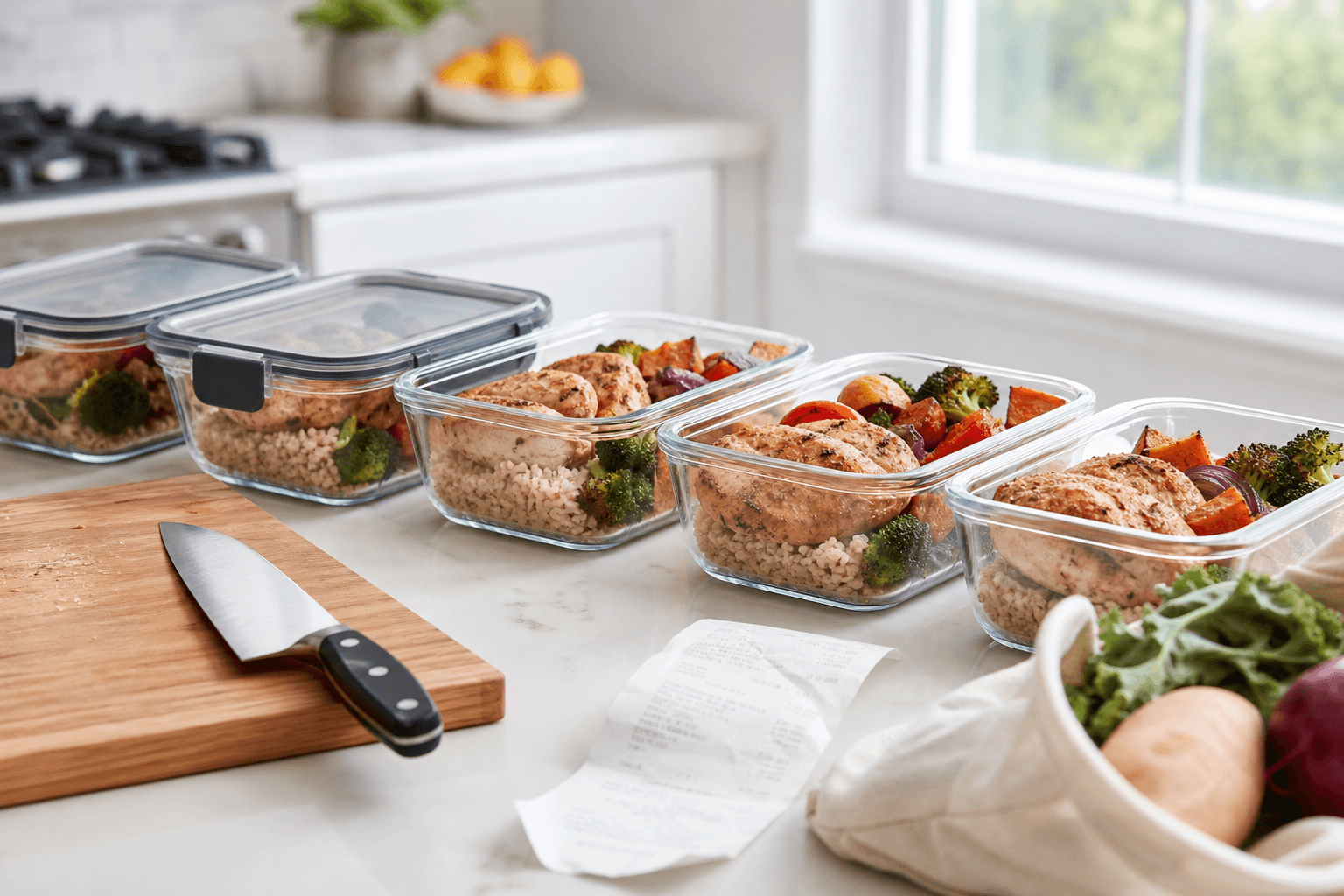
Minutes 75 to 90: Portion everything into containers. You're building mix-and-match components, not seven identical meals. Monday might be chicken and rice with roasted broccoli. Tuesday is taco meat in a tortilla with black beans and salsa. Wednesday is a grain bowl with shredded chicken, rice, and whatever vegetables are left. Thursday is pasta with the remaining taco meat and cheese. Friday is eggs and toast because you're tired and that's fine.
This produces roughly 12 to 15 meals. It's not 21 meals because you'll eat breakfast from the fridge (yogurt, eggs, toast) and probably eat out once or twice during the week. That's realistic, not a failure of discipline.
What survives until Friday and what doesn't
The single biggest reason people quit meal prepping isn't the cooking. It's biting into something on Thursday that tastes like it was cooked four days ago. Because it was. Here's what holds up and what doesn't.
Cooked rice keeps 4 to 5 days in the fridge and freezes well for up to 3 months. Roasted chicken thighs keep 3 to 4 days; shred them if you want them to last the full week because shredded meat reheats more evenly in the microwave. Ground beef mixtures (taco meat, bolognese) last 3 to 4 days in the fridge and freeze perfectly. Roasted vegetables get soft by day 3 or 4, so eat those early in the week or freeze your second batch raw and roast them Wednesday night. Cooked pasta gets mushy if stored in sauce; keep the pasta and sauce separate until you're ready to eat. Hard-boiled eggs keep a week in the fridge. Cut fruit lasts 2 to 3 days. Dressed salads last about 6 hours before going limp. Undressed greens with dressing on the side last 3 to 4 days.
The freezer is your actual secret weapon. Cook double batches of anything that freezes well (soups, stews, taco meat, chili, beans, rice, burritos) and stash half in portion-sized containers. On the weeks when Sunday prep doesn't happen (and those weeks will come), the freezer stash is the difference between a home-cooked dinner and a $35 DoorDash order.
You don't need expensive containers or a vacuum sealer
The meal prep internet wants you to believe you need a $60 set of matching glass containers, a label maker, and a sous vide circulator. You don't. Here's the actual equipment list:
A set of 10 to 15 basic food storage containers with lids. Glass is nice because you can microwave and reheat in the same container. Plastic works fine and costs less. A 12-pack of deli containers (the round ones restaurants use for soup) costs $8 on Amazon and works for everything. If you have old takeout containers collecting dust in a cabinet, those work too.
A sheet pan, a large pot, a skillet, and a cutting board. That's the entire cooking setup. A slow cooker or Instant Pot makes some things easier (dump everything in, walk away, come back to dinner), but neither is required. A rice cooker is a $20 investment that pays for itself in a month if you eat rice regularly, and it frees up a burner.
The one piece of gear that actually changes the experience: a cheap kitchen scale ($10 to $15). Not for calorie counting (unless that's your thing), but for portioning protein so you buy the right amount and don't waste a third of a pound of ground beef because you eyeballed it wrong.
How much you actually save
The average American spends roughly $328 per month eating out, according to Ramsey Solutions, and another $88.50 per month on delivery and takeout (US Foods 2024 survey). On top of that, the EPA estimates Americans waste about $60 per month per person in food that gets thrown away. Not all of that is recoverable through meal prep, but a big portion of it is.
The most concrete savings come from lunch. Swap five restaurant lunches per week ($12 to $15 each) with prepped meals from this plan ($3 to $5 each), and the weekly savings run $35 to $50. Over a year, that's $1,820 to $2,600. That's a vacation. Three months of car payments. The start of an emergency fund. Or, if you're being honest with yourself, it's the difference between DoorDash owning your bank account and your bank account working for you.
The other thing nobody talks about: meal prepping saves time, not just money. Deciding what to eat three times a day, every day, is a cognitive load that wears you down. When lunch is already in the fridge, you skip the 15-minute Yelp scroll, the 20-minute wait for pickup, and the post-lunch regret about spending $16 on a mediocre salad. Multiply that across a workweek and the time you save probably comes close to the 90 minutes the Sunday prep took in the first place.
Meal prepping isn't a personality trait or an Instagram aesthetic. It's the single most effective way to spend less money on food without eating worse. A hundred dollars, 90 minutes on Sunday, and containers you already own. That's the whole system.
If you're looking for specific recipes to fill out the rotation, our guide to easy dinner ideas covers weeknight meals that work with prepped ingredients. And our high-protein recipe roundup covers the fitness angle if that's your thing.