Key Takeaway
57% of Americans say they're prioritizing protein in 2026. Most of them are doing it by eating the same three foods on repeat until they'd rather go hungry. Here are meals that hit 30+ grams per serving without requiring you to develop Stockholm syndrome for grilled poultry.
Protein became the defining nutrient of 2025-2026 the way kale dominated 2015 and avocado toast owned 2017. A survey of 5,000 Americans by Talker Research found that 57% plan to intentionally prioritize protein this year, driven by goals like increasing energy (52%), building strength (51%), managing weight (48%), and staying fuller longer (41%). Cottage cheese is experiencing double-digit sales growth year over year. Greek yogurt sales are surging. A Cornell University study found that GLP-1 medication users are cutting overall grocery spending by 5.3% but increasing spending on yogurt, protein bars, and meat snacks. Grocery chains like Morrisons, Ocado, and Kroger have launched entire "high protein" product lines in the last six months alone.
The demand is real. The execution, for most people, is miserable. "High protein" cooking, as practiced by the average person trying to hit their macros, means a rotation of grilled chicken breast, scrambled eggs, and Greek yogurt. Day after day. Until the sight of another boneless skinless breast makes you consider becoming a vegetarian out of spite.
This doesn't need to be hard. Most people need 25-35 grams of protein per meal to hit their daily target, and there are dozens of foods beyond chicken breast that deliver that amount in a single serving. The trick isn't finding exotic ingredients. It's learning to cook the common ones in ways that don't make you want to quit.
How much protein you actually need (the number is lower than Instagram thinks)
The RDA for protein is 0.36 grams per pound of body weight, which works out to about 54 grams per day for a 150-pound person. That's the minimum to avoid deficiency, not the optimal amount for most people's goals. For adults trying to maintain or build muscle, the research supports 0.55-0.73 grams per pound, or roughly 83-110 grams for that same 150-pound person. For people on GLP-1 medications (Ozempic, Wegovy, Mounjaro) who need to preserve muscle during weight loss, the recommendation climbs to 1.2-1.6 grams per kilogram of body weight.
At the practical level, this means most people should aim for 25-35 grams of protein per meal across three meals, plus a protein-rich snack or two. Research on muscle protein synthesis suggests that approximately 30 grams per meal is the threshold where your body most efficiently uses protein for muscle repair and preservation. Eating 80 grams in one sitting doesn't provide three times the benefit of eating 30; the excess gets used for energy or other processes, not additional muscle building.
The goal is consistent protein at every meal, not a single massive protein bomb at dinner.
The protein cheat sheet: what actually delivers 30+ grams
Before we get to recipes, here's a reference list of foods that hit the 30-gram mark in a single reasonable serving. Keep this in mind when building meals:
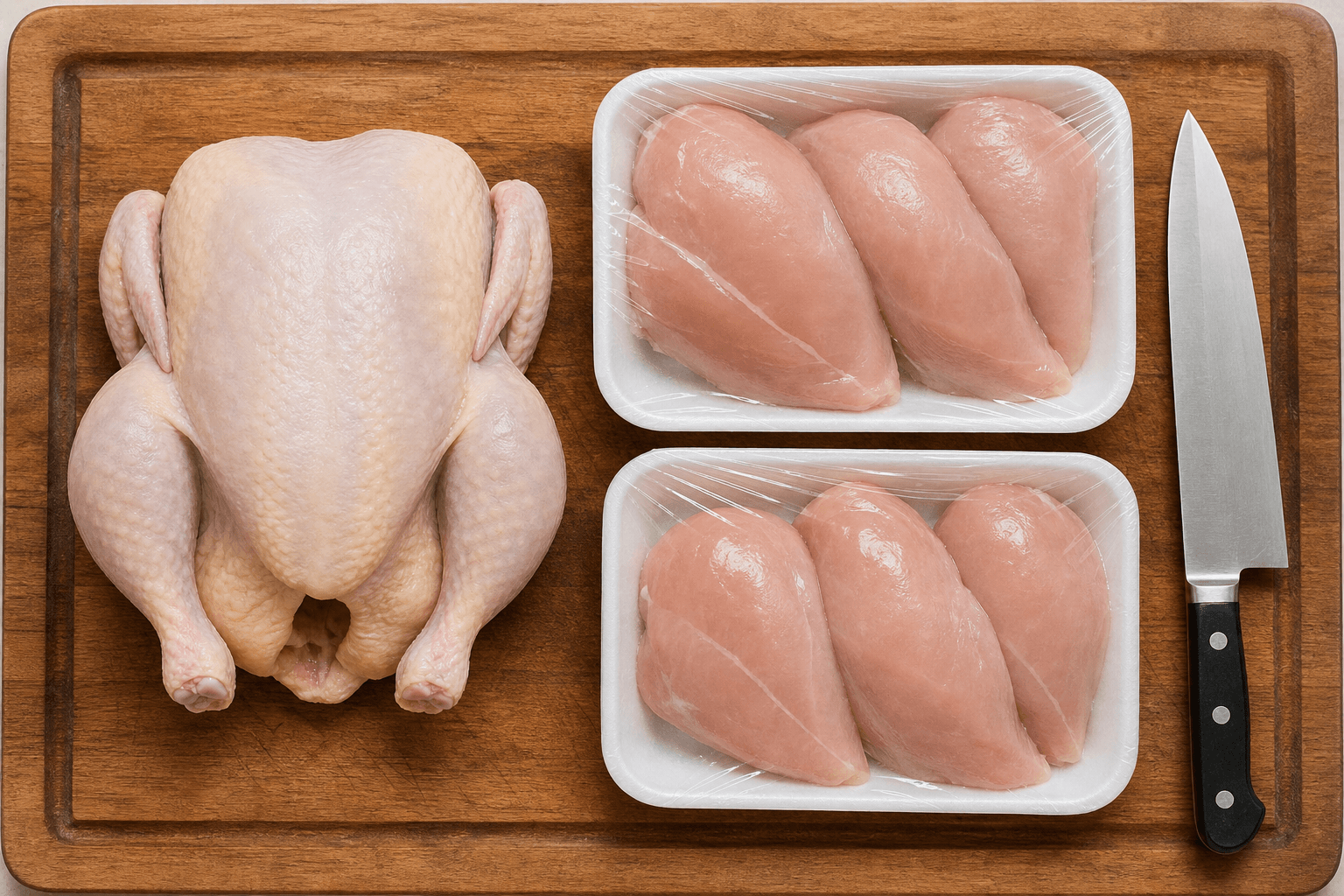
Chicken breast (5 oz cooked): 40-44g protein. The obvious choice, and a good one, but there are reasons people get bored. It's lean to the point of dryness unless you brine it, marinate it, or cook it properly. More on that below.
Salmon fillet (5 oz): 32-34g. Higher fat content than chicken means it's nearly impossible to dry out. Omega-3s are a bonus.
Ground turkey (5 oz, 93% lean): 30-33g. More flavorful than chicken breast when seasoned well, and works in almost any ground-meat application.
Cottage cheese (1.5 cups, 2%): 36g. The comeback food of the decade. Blend it into sauces for creaminess without the calorie load, eat it with fruit, or use it as a base for savory bowls.
Greek yogurt (1.5 cups, plain): 30-36g. Varies by brand. Fage 0% and Oikos Pro are among the highest per serving. Use it anywhere you'd use sour cream.
Canned tuna (one can, 5 oz): 30g. The most underrated convenience protein. It takes 90 seconds to make a tuna salad that hits your entire meal's protein target.
Eggs (5 large): 30-35g. You need a lot of eggs to hit 30g (each has about 6-7g), which is why eggs work better as a component than a solo protein source. Two eggs plus cottage cheese or a side of turkey sausage gets you there.
Shrimp (6 oz): 34g. High protein, almost no fat, cooks in 3-4 minutes. The fastest protein to get from raw to plate.
Lentils (1.5 cups cooked): 27g. The best plant-based protein source for density, plus substantial fiber. Not a complete protein on its own, but pair it with rice and you're covered.
Edamame (1.5 cups shelled): 25-27g. The snack that quietly delivers more protein than most people realize. Steam a bag from frozen in four minutes.
Seven meals that hit 30+ grams without boring you to death
The weeknight salmon that takes 12 minutes
Season a salmon fillet with salt, pepper, smoked paprika, and a drizzle of olive oil. Place skin-side down in a cold oven-safe skillet, then put the skillet in a 400-degree oven. Set a timer for 12 minutes. That's it. The skin crisps, the flesh stays tender, and you've done almost nothing. Serve it over whatever grain or vegetable you have. Rice, quinoa, roasted sweet potatoes, a bag of steamed broccoli: anything works. The salmon does the heavy lifting at 32-34g of protein per fillet For more, see You Don't Need 600 Dinner Recipes..
Turkey taco bowls (the meal prep workhorse)
Brown one pound of ground turkey with taco seasoning (cumin, chili powder, garlic powder, onion powder, smoked paprika, salt, pinch of cayenne). Cook a batch of rice. Chop whatever toppings you want: avocado, salsa, shredded cheese, cilantro, pickled jalapenos, a squeeze of lime. Divide into containers. Each serving hits about 35g of protein from the turkey alone, plus whatever cheese and other toppings contribute. This takes 25 minutes, makes four meals, and reheats perfectly. It's the recipe that has kept more gym-goers sane than any other.
Cottage cheese pasta sauce (sounds weird, tastes great)
This went viral for a reason. Blend one cup of cottage cheese until completely smooth. Cook your pasta of choice (high-protein pasta like Banza chickpea pasta adds another 14g per serving). Toss the hot pasta with the blended cottage cheese, a clove of roasted garlic, salt, pepper, red pepper flakes, and a handful of Parmesan. The cottage cheese melts into a creamy, savory sauce that delivers 24g of protein from the cheese alone, plus whatever the pasta contributes. Total protein per serving: 35-40g depending on the pasta. Total effort: 15 minutes and one blender.
Shrimp stir-fry in under 10 minutes
Shrimp cooks so fast that the only challenge is having everything else ready before you start. Prep your vegetables first (bell peppers, snap peas, broccoli, whatever is in the fridge). Get the pan screaming hot with a tablespoon of oil. Cook the vegetables for 3-4 minutes, push them to the side, drop the shrimp in, and sear for 90 seconds per side. Add soy sauce, a splash of rice vinegar, a pinch of sugar, and a squeeze of sriracha. Toss everything together. Serve over rice. Six ounces of shrimp gives you 34g of protein, the vegetables add fiber and volume, and the whole thing took less time than ordering delivery.
Lentil soup that doesn't taste like health food
Dice an onion, a few carrots, and a few celery stalks. Saute them in olive oil until soft (5 minutes). Add minced garlic, cumin, smoked paprika, and a pinch of cayenne. Stir for 30 seconds. Add one cup of dried red lentils, one can of diced tomatoes, and four cups of chicken or vegetable broth. Bring to a boil, reduce to a simmer, and cook for 20-25 minutes until the lentils are completely tender and starting to fall apart. Season with salt, pepper, and a squeeze of lemon juice. Each bowl delivers 25-30g of protein from the lentils, plus the fiber keeps you full for hours. Make a double batch and you have lunches for the week.
The egg scramble that counts as a real meal
Three eggs and two egg whites scrambled slowly over medium-low heat (patience makes them creamy, not rubbery) with a quarter cup of crumbled feta or shredded cheese, a handful of spinach, and diced bell pepper. Serve with a side of turkey sausage (two links add another 10-12g) or a half cup of cottage cheese. Total protein: 35-42g. This is breakfast, but it's equally good at 7 PM when cooking a full dinner feels like too much effort.
Greek yogurt power bowl (5 minutes, no cooking)
One and a half cups of plain Greek yogurt. Top with a quarter cup of granola, a tablespoon of hemp seeds (10g protein in two tablespoons), sliced banana or mixed berries, and a drizzle of honey. Total protein: 35-40g. This works as breakfast, a post-workout meal, or a late-night snack when you realize you haven't hit your protein target for the day and need something fast For more, see The Slow Cooker Is the Most Underrated Appliance in .... For more, see Meal Prep Is Not About Cooking 25 Recipes on Sunday..
The three rules that make high-protein cooking sustainable
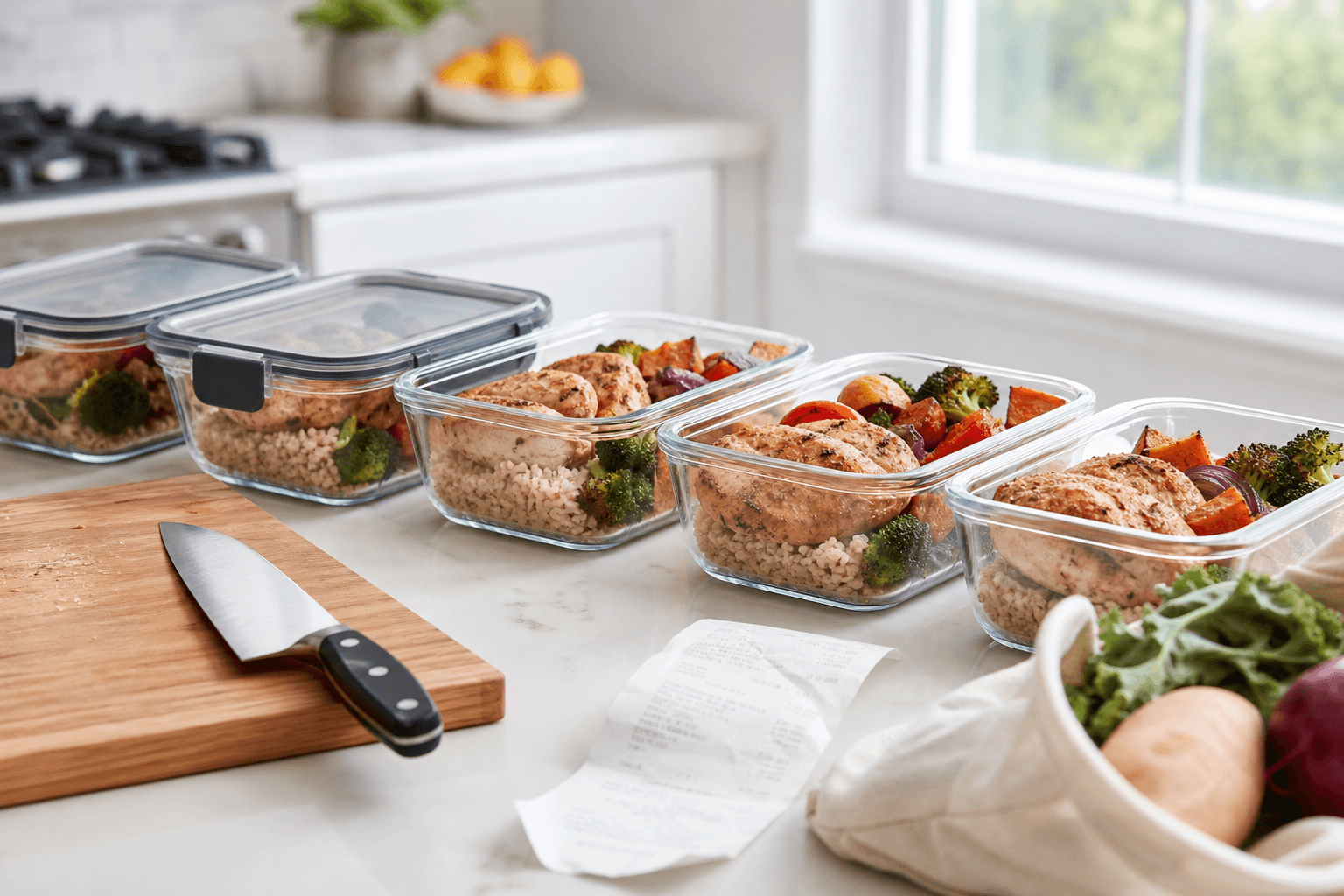
Rule 1: Cook protein in batches, assemble meals daily. Grill or bake several chicken breasts, brown a pound of ground turkey, hard-boil a dozen eggs, and cook a pot of lentils on Sunday. Store everything separately. Throughout the week, assemble meals by combining a pre-cooked protein with whatever vegetables, grains, and sauces you feel like eating that day. This takes the cooking load down to one session per week while keeping meals varied enough that you don't lose your mind.
Rule 2: Learn to use cottage cheese and Greek yogurt as ingredients, not just standalone foods. Blended cottage cheese replaces cream in pasta sauces, thickens smoothies, and adds body to scrambled eggs. Greek yogurt substitutes for sour cream on tacos, thickens dressings, and serves as a base for marinades (yogurt-marinated chicken is outrageously tender because the lactic acid breaks down the surface proteins). These two foods are the highest protein-per-calorie ratio in the dairy case, and they're most useful when you stop thinking of them as "diet food" and start treating them as cooking ingredients.
Rule 3: Stop relying on protein powder as your primary strategy. Protein shakes are fine as a supplement when you can't eat a meal, but they shouldn't be doing the heavy lifting in your diet. Whole food protein sources come packaged with other nutrients (iron in red meat, omega-3s in salmon, fiber in lentils, calcium in dairy) that protein powder doesn't provide. More importantly, chewing actual food is more satiating than drinking a shake; the mechanical act of eating signals fullness in ways that liquid calories don't. Use shakes to fill gaps, not as a foundation.
The protein trend that isn't going away
The reason protein is dominating 2026 grocery aisles and search queries isn't a fad. It's a convergence of real forces: the GLP-1 medication boom (which creates urgent demand for muscle-preserving, high-protein diets), an aging population increasingly aware of sarcopenia, a fitness culture that has gone mainstream, and genuine nutrition science supporting higher protein intake for satiety, body composition, and metabolic health.
Unlike the low-fat craze of the 1990s or the anti-carb obsession of the 2010s, the protein focus isn't asking you to eliminate an entire macronutrient. It's asking you to eat more of one. That's a fundamentally easier dietary change to sustain. The challenge isn't knowledge (most people know chicken has protein); it's execution. Making protein-rich meals that you actually want to eat, day after day, without the monotony that drives people back to pizza and takeout within two weeks.
Cook the salmon. Make the taco bowls. Blend the cottage cheese into pasta sauce. Hit your 30 grams per meal, three times a day, with food that doesn't require you to pretend you enjoy eating dry chicken over a plastic container in your car. The protein is the easy part. Making it taste like something is the skill that keeps you going.