Key Takeaway
It costs about 25 cents in electricity to run for eight hours. It turns a $4 chuck roast into something that tastes like you spent all day cooking (because technically, it did). And while the air fryer gets all the attention, the slow cooker quietly does the one thing most kitchen gadgets can't: make dinner while you're not home.
The air fryer has had its moment. We wrote about it (we named the best one for 2026), and it earned the hype: it's fast, it's crispy, it's changed how people think about weeknight cooking. But somewhere in the middle of the air fryer revolution, the slow cooker got pushed to the back of the cabinet, and that's a mistake.
A slow cooker does something no air fryer, Instant Pot, or oven can do with the same combination of simplicity and reliability: it turns cheap, tough ingredients into rich, tender meals using almost no electricity, almost no effort, and almost no supervision. You put things in it at 8 AM. You leave for work. You come home to dinner. The math on that trade is hard to beat: 10 minutes of prep in the morning, zero minutes of active cooking during the day, and a meal that feeds four to six people for the cost of ingredients plus roughly a quarter's worth of electricity.
The air fryer is a sprinter. The slow cooker is a marathon runner. Most people need both.
The energy math that nobody talks about
A typical slow cooker uses 150 to 300 watts. Over an 8-hour cook on the low setting, it consumes roughly 1.2 to 1.5 kWh of electricity. At the current U.S. average electricity rate of about $0.17 per kWh, that's approximately 20 to 25 cents per meal.
An electric oven running at 350 degrees for three hours uses about 2.5 kWh, costing roughly $0.43 to $0.60 or more. For longer braises (the dishes slow cookers specialize in), oven costs climb higher.
The slow cooker costs roughly half what the oven costs for the same type of meal, and it doesn't heat up your kitchen, which matters in summer when your air conditioner is already fighting to keep the house cool. The Yale Environment Review estimates that cooking accounts for 20% of the typical consumer's total household energy use. The slow cooker is one of the cheapest ways to cook anything.
The Instant Pot uses about 1,000 watts but runs for a much shorter time (often 30 to 60 minutes under pressure for a dish that takes 8 hours in a slow cooker). Total energy consumption is roughly comparable: about 1.0 to 1.5 kWh for a stew either way. The difference isn't really about energy; it's about time and texture. An Instant Pot gives you dinner in an hour. A slow cooker gives you dinner that's been building flavor all day. The results taste different, and for braises, stews, and pulled meats, the slow cooker usually wins on tenderness and depth.
Which slow cooker to buy
Food Network Kitchen tested 13 models. CNN Underscored tested 14, cooking 56 chicken breasts and 15 pounds of black-eyed peas over 100 hours. America's Test Kitchen evaluated multiple types with a focus on temperature consistency. TechGearLab tested 8 models head-to-head. The consensus across all of them converges on a few clear winners.
Best overall: Hamilton Beach Temp Tracker 6-Quart ($40 to $55). America's Test Kitchen named it their favorite traditional slow cooker. It has simple controls, excellent cooking performance, and a temperature probe that takes the guesswork out of knowing when your meat is done. The lockable lid makes it ideal for transporting to potlucks. CNN Underscored's testers noted that meat came out "tender and moist throughout." It's not glamorous. It does its job. It's the Toyota Corolla of slow cookers.
Best multi-function: Ninja Foodi PossibleCooker Pro 8.5-Quart ($80 to $100). If you want one appliance that does everything, this is it. CNN Underscored and TechGearLab both named it their top pick. Eight cooking functions (slow cook, sear, saute, steam, sous vide, braise, bake, and keep warm) in one device. The sear function is a genuine advantage: you can brown meat directly in the pot before switching to slow cook, which adds a depth of flavor that traditional slow cookers can't match without dirtying a separate pan. The 8.5-quart capacity handles large batches for meal prep or entertaining. The BBQ chicken CNN cooked for six hours "remained saucy, even with the long cooking time."
Best budget: Crock-Pot Cook & Carry 6-Quart ($30 to $40). No frills. High, low, warm. Programmable timer. Locking lid for transport. It cooks evenly, cleans easily, and costs about as much as a weeknight dinner out. HGTV's testing confirmed it's "as close as you'll get to set-it-and-forget-it straight out of the box." If you don't need a sear function or a temperature probe, this does everything a slow cooker needs to do.
Best for design: All-Clad Gourmet Plus 7-Quart ($180 to $220). Food Network Kitchen's overall winner. It can saute, brown, simmer, and cook rice in addition to slow cooking. It maintained the most consistent temperature of any model they tested, never got dangerously hot on the exterior, and is genuinely attractive enough to leave on the counter. The price is steep for a slow cooker, but if you care about build quality and aesthetics (and you're replacing a separate saute pan in the process), it earns its premium.
Skip the Instant Pot as a slow cooker. America's Test Kitchen noted that multicookers "rarely slow-cook food well; they're better at pressure cooking." The shape, heating elements, and insulation of an Instant Pot are optimized for pressure, not for the long, low, even heat that makes slow-cooked food special. If you already own an Instant Pot, its slow cook function will work in a pinch, but a dedicated slow cooker produces noticeably better results for the dishes slow cookers do best. They complement each other; they don't replace each other.
What actually works in a slow cooker (and what doesn't)
The slow cooker's sweet spot is cheap, tough cuts of meat. Chuck roast, pork shoulder, bone-in chicken thighs, short ribs. These cuts are loaded with collagen and connective tissue that breaks down over hours of low heat, turning tough and chewy into silky and falling-apart-tender. This is the single best thing a slow cooker does, and it's the thing no other kitchen appliance does as well. A chuck roast that costs $4 per pound becomes restaurant-quality braised beef after 8 hours on low.
Soups and stews are the obvious use case. Chili. Beef stew. Chicken tortilla soup. Minestrone. These are the dishes that benefit from hours of simmering, and the slow cooker handles them effortlessly. The sealed lid traps moisture, so you don't need to add as much liquid as you would on the stovetop.
Beans and grains work beautifully. Dried beans that would normally require soaking overnight and hours of stovetop simmering cook perfectly in 6 to 8 hours on low with no soaking required. Steel-cut oatmeal started before bed is ready for breakfast.
What doesn't work: Delicate vegetables (they turn to mush; add them in the last 30 to 60 minutes), pasta (it overcooks; cook separately and add at serving time), dairy (it curdles at sustained high heat; stir in cream or cheese at the end), and anything that needs a crispy texture (the moist environment prevents browning). Chicken breasts tend to overcook and dry out; use thighs instead, which stay moist even after extended cooking.
The "dump meal" philosophy
The slow cooker's real superpower isn't any specific recipe. It's the workflow. The term "dump meal" has become shorthand for the approach: dump ingredients into the cooker in the morning, set it to low, and walk away. No intermediate steps. No checking. No stirring. No adjusting heat.
This matters for people who work outside the home, parents managing after-school chaos, or anyone who reliably runs out of energy for cooking by 6 PM. The slow cooker moves the effort to the morning, when most people have more willpower and fewer demands on their attention. By dinner, the work is done For more, see You Don't Need 600 Dinner Recipes..
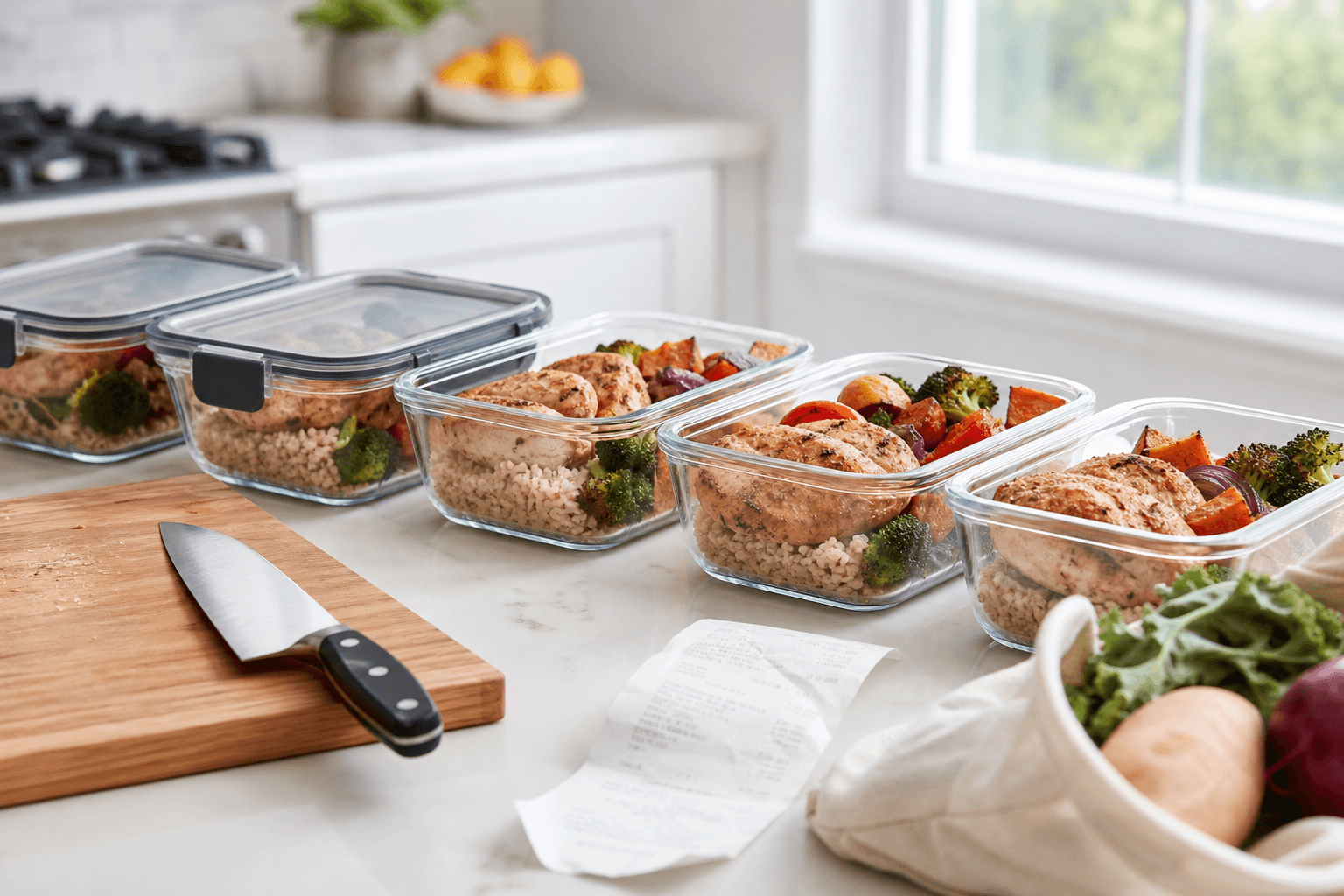
Meal prep with a slow cooker is equally efficient. A 6-quart pot of chili produces 8 to 10 servings. Portion them into containers, refrigerate or freeze, and you have a week of lunches for the cost of about $10 in ingredients and $0.25 in electricity.
The mistakes that ruin slow cooker meals
Most slow cooker failures come from a few predictable errors.
Lifting the lid. Every time you open the lid, the cooker loses 15 to 20 minutes of cooking time because the trapped heat and steam escape. The glass lid exists so you can see inside without opening it. Resist the urge to stir. The food is fine.
Using too much liquid. Unlike stovetop cooking, slow cookers barely lose any liquid to evaporation because the lid seals in moisture. If a regular recipe calls for 4 cups of broth, use 2 to 3 cups in the slow cooker. Too much liquid dilutes flavors and turns stews into soup.
Overcrowding the pot. Fill the crock two-thirds to three-quarters full for optimal heat circulation. Less than half full and the food may cook too quickly and burn around the edges. More than three-quarters and the center may not reach safe temperature in time.
Skipping the sear. Browning meat before it goes into the slow cooker is technically optional, but it's the difference between a good meal and a great one. The Maillard reaction (the chemical process that creates the brown crust on seared meat) adds a layer of flavor that eight hours of simmering can't replicate. If your slow cooker has a built-in sear function (the Ninja PossibleCooker and All-Clad Gourmet both do), use it. If not, spend five minutes searing in a hot skillet before transferring to the crock.
Adding everything at once. Root vegetables (potatoes, carrots, turnips) go in first, at the bottom, closest to the heat source. Meat goes on top of the vegetables. Delicate items (leafy greens, fresh herbs, dairy, pasta) get added in the last 30 to 60 minutes. Garlic loses flavor over long cooking; add minced garlic in the final hour or use whole cloves from the start For more, see High Protein Recipes for People Who Are Tired of Eat.....
Not seasoning enough. Long cooking dulls flavors. Season more aggressively than you would for stovetop cooking, and taste and adjust at the end. A splash of acid (vinegar, lemon juice, or a spoonful of tomato paste) added in the last 30 minutes brightens the entire dish.
The seasonal argument for slow cooking
Slow cookers are marketed as fall and winter appliances, and that's when most people use them. But the summer case is equally strong: a slow cooker doesn't heat up your kitchen the way an oven does. If you're running air conditioning, the oven is actively working against it. The slow cooker's low wattage produces minimal ambient heat, keeping your cooling bill lower while still getting dinner on the table.
Spring and summer slow cooker meals tend to be lighter than the classic winter stew: pulled chicken for tacos, carnitas for burrito bowls, ratatouille, corn chowder, or poached salmon. The appliance doesn't care what season it is. It just needs something to cook and eight hours of patience.
The case for owning both
If you bought an air fryer in the last few years (and 42% of American homes have, as we mentioned in our air fryer guide), you already own the appliance that handles quick, crispy, weeknight cooking. The slow cooker handles the other half: the weekend batch cook, the all-day braise, the soup that simmers while you're at work.
Together, they cover roughly 80% of home cooking needs at a combined cost of $70 to $150 for both appliances, using less electricity than your oven for either task. The air fryer is for Tuesday night when you need chicken tenders in 15 minutes. The slow cooker is for Sunday when you throw a pork shoulder in at 9 AM and shred it for tacos at 5 PM.
The slow cooker doesn't need a marketing campaign or a viral TikTok recipe. It needs a Tuesday morning, a bag of dried beans, a can of tomatoes, and a willingness to ignore it for eight hours. It will thank you by the time you get home.